
Bearing Environment Selection: A Practical Guide for Real Conditions
Bearing environment selection is one of the first things engineers get taught and one of the easiest things to oversimplify.
On paper, it looks straightforward. Match a bearing to a load, speed and size, and you’re done.
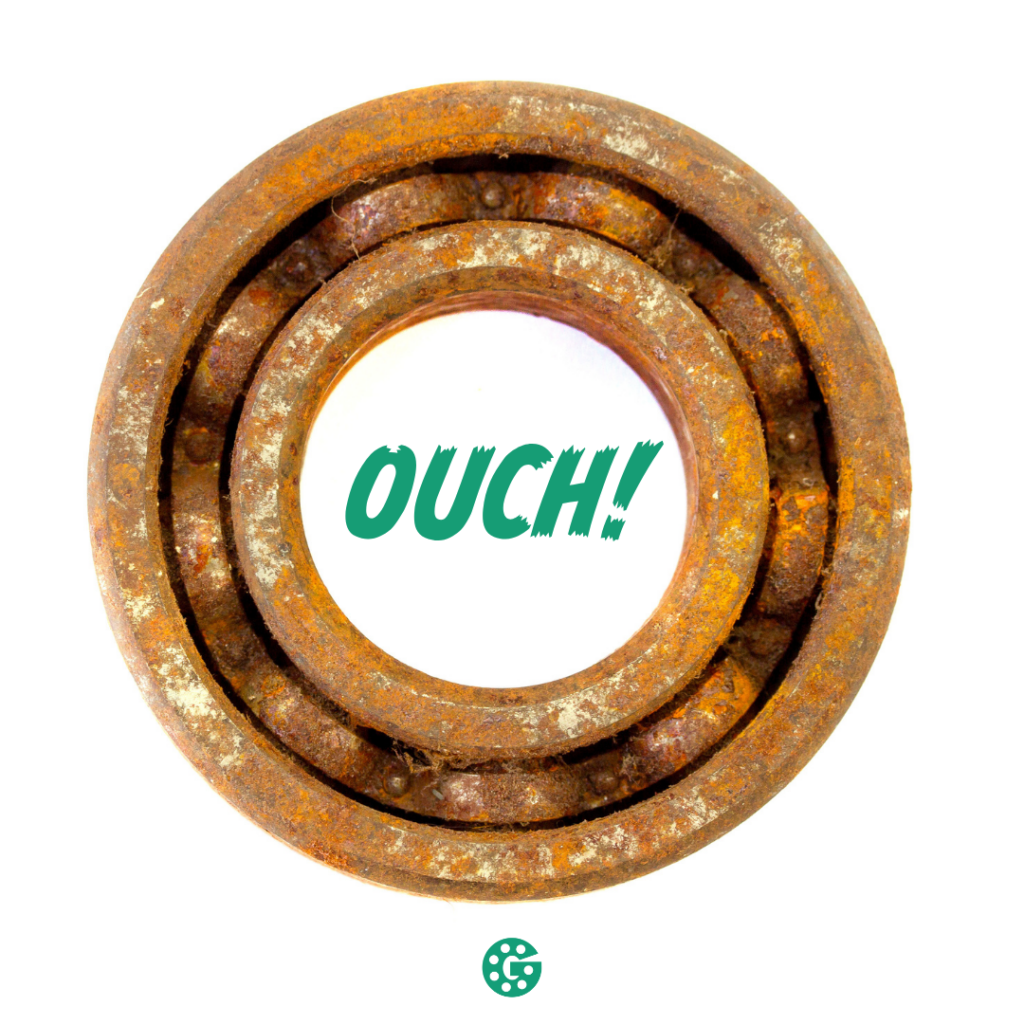
In reality, most bearing failures don’t happen because the load rating was wrong.
They happen because the environment was wrong.
Humidity, contamination, temperature and lubrication conditions quietly dictate whether a bearing lasts years or fails in months.
This guide breaks down how to approach bearing environment selection in a practical way, using a simple decision framework you can apply on the shop floor.
Why Environment Matters More Than You Think
A correctly sized bearing in the wrong environment is still the wrong bearing.
Common environmental factors that affect performance include:
- Moisture and humidity – leading to corrosion and lubricant breakdown
- Contamination – dust, debris or chemicals entering the bearing
- Temperature extremes – affecting material properties and lubrication
- Washdown conditions – particularly in food and processing industries
Ignore these, and even a premium bearing won’t last.
Get them right, and you can significantly extend service life without changing the core bearing type.
The Bearing Environment Selection Matrix
Rather than treating bearing selection as a single decision, it helps to break it into four key elements:
- Material
- Sealing
- Housing
- Lubrication
Each of these should be chosen based on environmental conditions, not in isolation.
To make this easier, we’ve created a Bearing Environment Selection Matrix you can download and use as a quick reference tool.
Environment Condition | Key Risks | Bearing Material Selection | Seal Selection | Housing | Lubrication | Compliance Considerations |
High Humidity / Wet | Corrosion, lubricant breakdown | Stainless steel or coated bearings | Contact seals, high-integrity seals | Corrosion-resistant housings | Water-resistant grease | Food & pharma environments require corrosion control to prevent contamination |
Dust / Particulate Contamination | Abrasive wear, premature failure | Hardened or wear-resistant materials | Multi-lip seals or labyrinth seals | Sealed or shielded housings | Frequent relubrication or sealed units | Common in heavy industry; poor control increases failure risk |
High Temperature | Lubricant breakdown, material softening | Heat-stabilised bearing steels | High-temperature seals | Expansion-tolerant housings | High-temperature grease or oil | Critical in continuous process environments |
Low Temperature | Increased viscosity, reduced lubrication flow | Standard or cold-resistant materials | Low-temperature flexible seals | Allowance for contraction | Low-viscosity lubricants | Relevant in cold storage and food logistics |
Washdown / Hygienic | Corrosion, seal failure, lubricant washout | Stainless steel | Hygienic, high-integrity seals | Hygienic or sealed housings | Food-grade or wash-resistant lubricants | Mandatory for food, beverage and pharma compliance (e.g. FDA, EHEDG) |
Chemical Exposure | Corrosion, material degradation | Special coatings, stainless or polymer materials | Chemical-resistant seals | Protected or specialised housings | Chemically stable lubricants | Required in pharma and chemical processing environments |
Cleanroom / Controlled | Particle shedding, contamination risk | Low-particle or stainless materials | Non-shedding seals | Enclosed or precision housings | Cleanroom-compatible lubricants | Critical for semiconductor, pharma and medical manufacturing |
High Load + Contamination | Combined wear and ingress | Case-hardened or specialised alloys | Heavy-duty seals | Reinforced housings | High-load grease | Increased failure risk if not properly specified |
Intermittent / Start-Stop | Lubrication starvation, wear | Standard or coated materials | Application-dependent seals | Standard housings | Anti-wear lubricants | Reliability concern rather than compliance-driven |
When Bearing Selection Becomes a Compliance Issue
In some environments, bearing environment selection isn’t just about performance.
It’s about compliance.
In industries like food processing, pharmaceuticals and cleanroom manufacturing, the consequences of incorrect selection go beyond wear and tear.
They include:
- Product contamination
- Audit failure
- Regulatory non-compliance
- Costly shutdowns
For example:
- In food and beverage, incorrect lubrication or corrosion can introduce contaminants
- In pharmaceutical environments, particle shedding from bearings can compromise product integrity
- In cleanrooms, even microscopic debris can cause process failure
This is where bearing environment selection and audit readiness start to overlap.
A properly selected bearing system should:
- Be fully traceable
- Use compliant materials and lubricants
- Withstand cleaning and operating conditions
- Maintain integrity over time
In these environments, failure isn’t just mechanical.
It’s procedural.
And that’s why selection decisions need to stand up not just to operational demands, but to audit scrutiny as well.
How to Use the Matrix in Practice
It’s tempting to look at each condition in isolation.
In reality, environments overlap.
You might have:
- High humidity and contamination
- Heat and chemical exposure
- Washdown and temperature variation
The key is to identify the dominant risks and select components that address the worst-case conditions.
Start with the harshest factor, not the average one.
If you’d rather not second-guess every bearing decision, download the Bearing Environment Selection Matrix. It’s a simple, practical tool you can use on site or at your desk to match materials, seals and lubrication to real-world conditions; without having to reinvent the wheel each time.
Common Mistakes in Bearing Environment Selection
Selecting for Load, Ignoring Environment
Load ratings are easy to calculate.
Environmental impact is easier to underestimate.
Over-Reliance on Standard Bearings
Standard bearings work well… in standard conditions.
If your environment isn’t standard, your selection shouldn’t be either.
Treating Seals as an Afterthought
Seals are often the first line of defence.
Poor bearing seal selection can undermine an otherwise correct specification.
A Simple Rule of Thumb
If you’re unsure, assume the environment is harsher than it looks.
It usually is.
Designing for slightly worse conditions is far cheaper than dealing with premature failure.
Final Thought: Environment First, Specification Second
It’s easy to start with bearing type, size or brand.
But the most reliable approach to bearing environment selection is to start with the environment itself.
Once you understand the conditions, the right combination of bearing material selection, sealing, housing and lubrication becomes much clearer.
And more importantly, much more reliable.
Important Note
This guide is intended as general guidance only.
Specific applications may require detailed engineering analysis and manufacturer consultation.
Always verify suitability for your operating conditions before final selection.

TOM HAMLETT
Tom Hamlett is a respected authority in the global bearings marketplace, with over 35 years of experience in industrial bearings, lubricants, and adhesives across a wide range of industries. As Managing Director of Godiva Bearings, Tom has built a trusted business renowned for its commitment to quality, technical expertise, and ethical service. Under his leadership, Godiva Bearings has remained the UK’s only trade-exclusive bearings supplier, proudly serving engineers and distributors worldwide since 1977. Tom’s in-depth knowledge and dedication have cemented his reputation as one of the most knowledgeable figures in the sector.