Couplings Stocked and supplied to the Trade
Couplings keep everything connected. From motors to gearboxes, pumps to conveyors, they transfer torque while allowing for misalignment, vibration, and movement.
Whether flexible, rigid, or torsion-resistant, the right coupling keeps the system running smoothly without backlash or excessive wear. Get the wrong one? Expect noise, vibration, and shortened component life.
At Godiva Bearings, we supply couplings the trade can trust — from general-purpose elastomeric designs to precision gear and grid styles. Stocked. Supported. Trade-only.
What Are Couplings?
Couplings are mechanical connectors that link two shafts together to transmit power, absorb shock, and accommodate misalignment.
There are two main types:
- Rigid – For precise alignment where flexibility isn’t needed
- Flexible – To compensate for shaft movement and absorb vibration
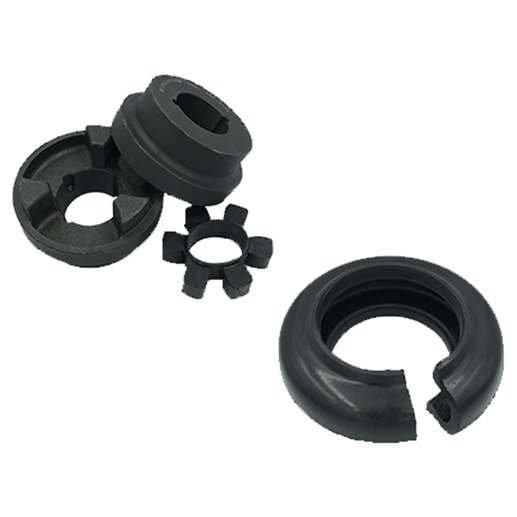
Godiva Bearings stocked types including:
- Jaw
- Gear
- Grid
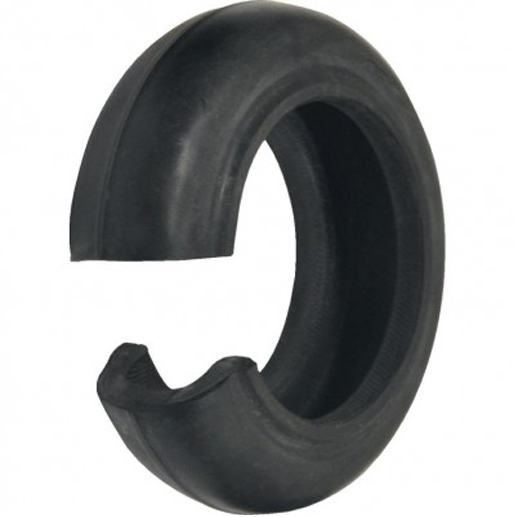
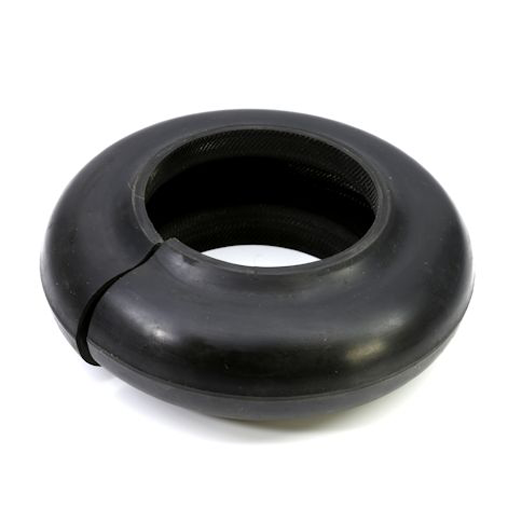
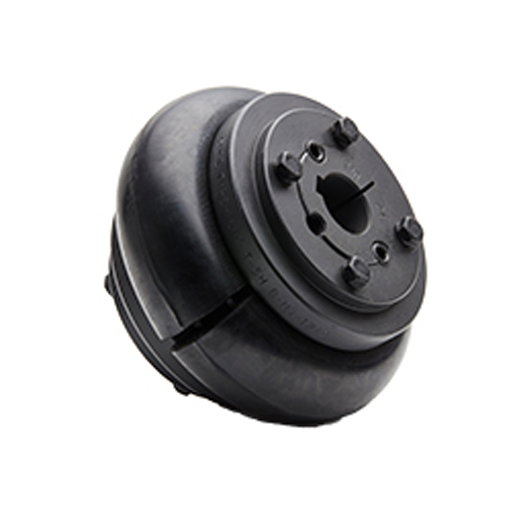
- Tyre
- Rigid clamp-style
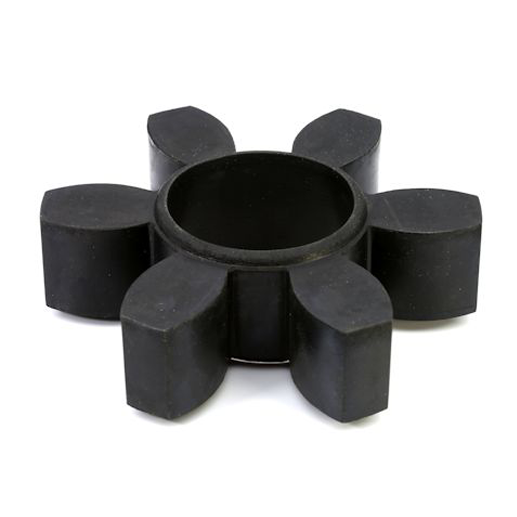
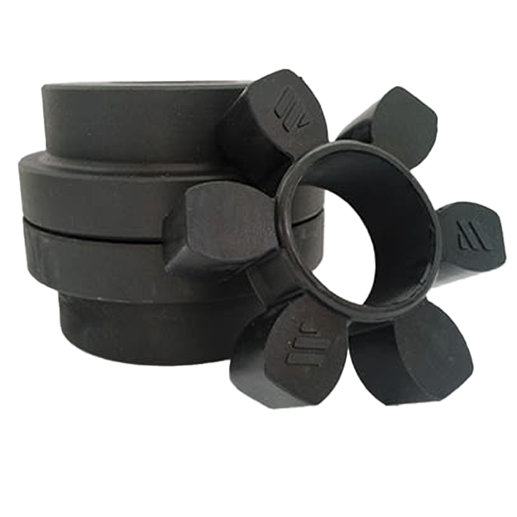
- Curved jaw and spider insert types
What Are They Made Of?
Materials vary by application:
- Cast iron – Standard for heavy-duty industrial use
- Steel – For strength and torque capacity
- Aluminium – Lightweight and corrosion-resistant
- Polyurethane / rubber elements – For damping vibration in flexible designs
Available with:
- Pilot bore or taper bore options
- Keyways and grub screws
- Replacement spiders, tyres, or grid elements
Where Are Couplings Used?
Generally found everywhere mechanical power moves from one rotating element to another. Trade-critical applications include:
- Pumps and compressors: Aligning motors to pumps with vibration damping
- Gearboxes: Handling torque transfer under misalignment
- Conveyor drives: Flexible links to accommodate load shock and shaft movement
- HVAC systems: Quietly transmitting power in fan and blower systems
- Agricultural machines: Absorbing movement and shock on PTOs and drivelines
- Marine propulsion: Vibration damping in confined, wet spaces
- Food and beverage: With hygienic, easy-clean coupling types
- Machine tools and CNC: Zero-backlash options for tight positioning
If there’s torque to transfer and movement to absorb, couplings do the job.
What Do Couplings Help Prevent?
With the correct spec, they can help prevent:
- Shaft misalignment damage
- Noise and vibration transfer
- Fatigue cracking from torsional load
- Component failure from shock loads
- Premature wear of gearboxes and bearings
They protect both sides of the drive system.
Installation, Use and Maintenance Tips
Best practice for use:
- Check shaft alignment and spacing before fitting
- Use the correct torque setting on clamping or grub screws
- Replace elastomeric elements at signs of wear or hardening
- Don’t run flexible couplings without inserts
- Regularly inspect for vibration, heat, or misalignment
Keep spare elements on hand for critical lines.
Conclusion: Connections That Keep Moving
Couplings aren’t glamorous, but they’re essential. They connect, protect, and keep shafts turning.
Godiva Bearings stocks couplings in all major types and sizes. Backed by technical support and 24/7 trade-only service.