
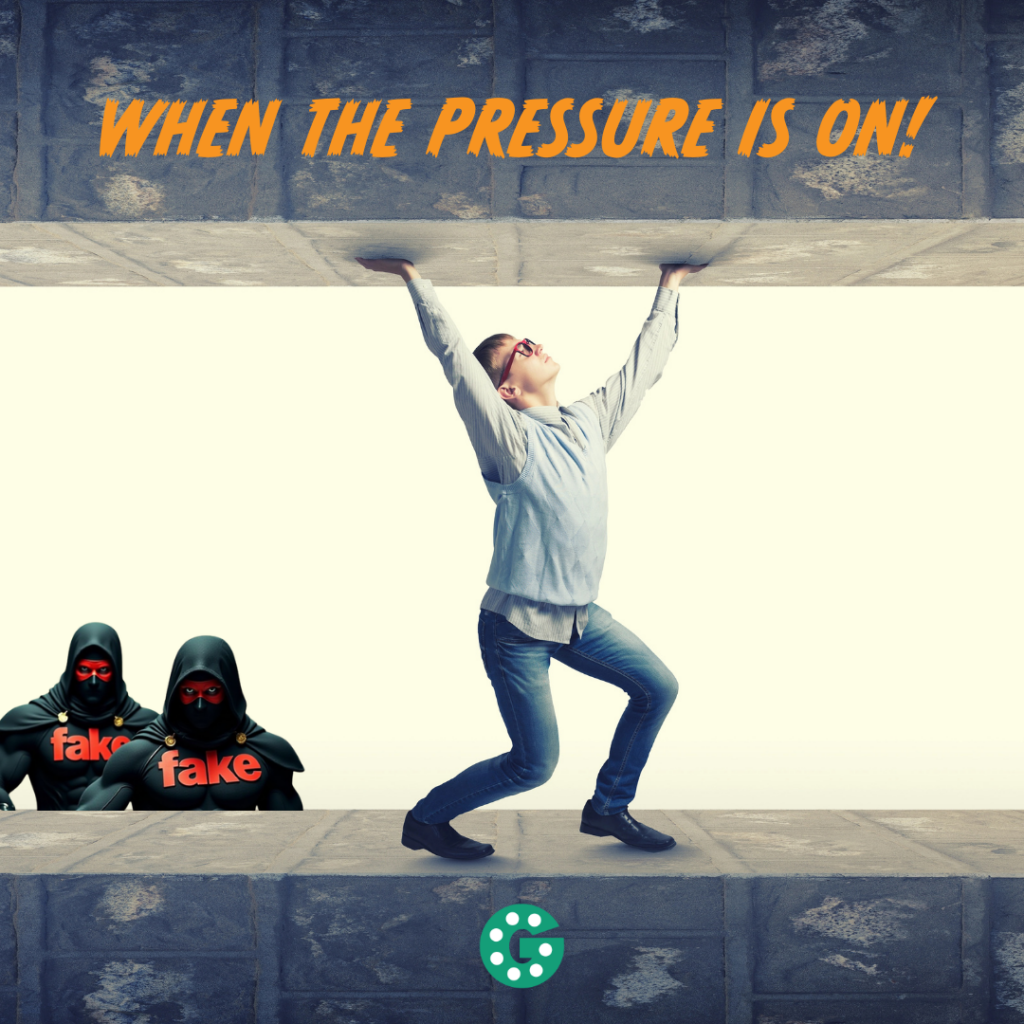
When Procurement Pressure Increases Counterfeit Bearing Risk
When Exception Buying Becomes the Norm
Counterfeit bearing risk rarely begins with careless procurement.
It often begins when exception buying stops being exceptional.
In most organisations, procurement operates within defined controls: approved suppliers, verification procedures, traceability requirements, and documented purchasing routes. These systems are designed to protect the organisation from supply chain risks, including counterfeit bearings.
Under normal operating conditions, these controls work well.
But procurement rarely operates under normal conditions for long.
When urgency, cost pressure, or supply disruption intensify, procurement systems do not disappear; they compress. Verification becomes faster. Supplier flexibility increases. Decisions prioritise operational continuity over procedural completeness.
Each individual decision remains rational.
The problem emerges when these decisions stop being temporary.
When urgent sourcing, alternative suppliers, and shortened verification become routine, the margin for error narrows and counterfeit bearing risk increases.
Not because procurement teams stop following process.
But because operational pressure quietly changes what “acceptable” looks like.
In many organisations, counterfeit bearing exposure begins not when controls fail, but when temporary procurement exceptions gradually become normal operating behaviour.
Counterfeit Bearing Risk Often Begins with Pressure, Not Poor Practice
Procurement pressure rarely arises from careless buying. In most organisations, counterfeit bearing risk increases when urgency, cost pressure, or availability constraints shift normal verification thresholds within otherwise well-run procurement systems.
Buyers typically operate within structured processes, approved supplier lists, and documented sourcing controls. These safeguards are designed for stable operating environments.
When operational pressure intensifies, the environment changes and so do decision thresholds.
Counterfeit bearing risk increases here not because procurement teams stop caring, but because pressure quietly shifts what is considered acceptable, necessary, or unavoidable.
How Procurement Pressure Changes Sourcing Decision Thresholds
Procurement pressure does not remove controls overnight. It compresses them.
Under pressure, organisations may:
- Accept alternative sourcing routes.
- Shorten verification steps.
- Rely on familiarity rather than documentation.
- Prioritise operational continuity over procedural completeness.
Each of these adjustments can be individually justified. Together, however, they reduce the margin for error in procurement systems, creating conditions where counterfeit bearings are more likely to enter the supply chain.
This is how procurement pressure gradually increases counterfeit bearing risk without any deliberate change in policy.
The Main Forms of Procurement Pressure That Increase Counterfeit Bearing Risk
Urgency and Imminent Downtime
When production downtime is imminent, the cost of delay becomes highly visible.
In these situations:
- Lead time outweighs supplier pedigree.
- Availability overrides deeper verification.
- Exceptions feel justified rather than exceptional.
Bearings are particularly exposed because they are often viewed as standard, interchangeable components, even when the application is critical.
Urgency does not create negligence.
It creates trade-offs that can increase counterfeit bearing risk when verification steps are compressed.
Cost Pressure and Commercial Targets
Cost pressure rarely appears as a directive to simply buy the cheapest option.
Instead, it tends to manifest as:
- Pressure to reduce unit cost.
- Increased scrutiny of premium pricing.
- Greater tolerance for commercially attractive alternatives.
Counterfeit bearing risk increases when pricing becomes the primary signal of value, rather than supplier traceability, documentation integrity, and sourcing reliability.
Availability Constraints and Supply Disruption
Supply disruption often normalises exception buying.
When preferred suppliers cannot deliver, procurement teams may be pushed toward:
- Secondary distributors.
- Hybrid sellers.
- International or parallel sourcing channels.
These routes are not inherently illegitimate. However, they often operate with reduced transparency, mixed sourcing practices, or weaker documentation standards.
In these environments, counterfeit bearing risk increases because traceability becomes harder to verify.
When Exception Buying Becomes Business as Usual
Exception buying is intended to be temporary.
It exists to keep operations moving during genuine disruption. It is not meant to replace planned sourcing, maintenance strategies, or structured spares management.
When procurement teams find themselves sourcing bearings urgently on a regular basis, it is rarely just a purchasing issue. More often, it signals deeper operational challenges elsewhere in the organisation.
Common upstream causes include:
- Reactive maintenance strategies.
- Inadequate spares planning.
- Limited visibility of asset condition.
- Unrealistic production schedules.
- Underinvestment in preventive maintenance.
In these environments, procurement pressure is no longer an occasional spike. It becomes the normal operating condition.
This creates sustained exposure to counterfeit bearing risk.
Temporary workarounds gradually become standard practice. Verification discipline weakens, not through deliberate policy change, but through repeated operational compromise.
From a risk perspective, persistent pressure should trigger a different question.
Instead of asking:
“How do we source faster?”
Organisations should ask:
“Why are we sourcing urgently so often?”
Reducing counterfeit bearing risk in these situations often requires changes outside procurement itself.
Effective responses may include:
- Reviewing maintenance and asset management strategies.
- Improving spares forecasting and stockholding.
- Aligning procurement planning with production realities.
- Identifying critical components that should never be exception sourced.
In many cases, counterfeit bearing risk reduction begins outside the purchasing department.
Why Pressure-Driven Counterfeit Bearing Risk Is Often Missed
Pressure-driven counterfeit bearing risk is difficult to identify because it does not initially look like failure.
From the inside, procurement processes still appear functional:
- Orders are fulfilled.
- Production continues.
- Customers remain supplied.
The consequences often emerge later — during equipment failures, warranty disputes, audits, or supplier investigations — when the original pressure context has faded but the sourcing decision remains.
This delayed visibility is one reason counterfeit bearing risk is frequently unintentional.
What This Means for counterfeit bearing risk Management
If operational pressure is a predictable driver of counterfeit bearing risk, managing exposure requires more than awareness or training.
Organisations must:
- Recognise pressure as a structural risk factor.
- Design procurement controls that remain effective under operational stress.
- Ensure exception handling is visible and reviewable.
Counterfeit bearing risk management should account for how procurement systems behave during disruption — not just how they function under ideal conditions.
What Trade Buyers Can Do When Procurement Pressure Increases
Managing counterfeit bearing risk under pressure does not mean eliminating urgency or commercial constraints. It means controlling how those pressures affect sourcing decisions.
Effective approaches include:
- Treating urgency-driven sourcing as a higher-risk procurement category.
- Separating acceptable exceptions from unknown sourcing risk.
- Documenting deviations so pressure-driven decisions remain visible.
- Avoiding the practice of resolving documentation gaps after installation.
- Ensuring buyers have authority to pause or escalate when verification is compromised.
The objective is not to prevent exceptions.
It is to prevent exceptions from becoming invisible sources of counterfeit bearing risk.
For a deeper operational breakdown of how counterfeit bearings enter procurement systems — and how trade buyers can reduce unintentional exposure — see our detailed guidance on why counterfeit bearings are often bought unintentionally.
counterfeit bearing risk Closing Thought
Procurement pressure does not create counterfeit bearing risk on its own.
It reveals where sourcing systems are least resilient.
Urgency, cost pressure, and supply disruption shift procurement decision thresholds; quietly, rationally, and often temporarily. When those shifts go unrecognised, counterfeit bearing risk becomes an unintended consequence of otherwise sensible operational decisions.
Reducing counterfeit bearing risk therefore requires procurement and maintenance systems that remain effective under pressure, rather than assuming pressure will never occur.
That is the difference between awareness and control.
For a broader view of how counterfeit bearings enter supply chains — and the practical ways buyers and engineers detect and prevent them — see our main guide to counterfeit bearing risks and detection.
A Practical Note for Buyers
One of the simplest ways to reduce counterfeit bearing risk is to buy from authorised, traceable suppliers.
It sounds obvious, but under procurement pressure that step is often where exceptions begin.
Working with a certified distributor helps ensure bearings entering your stores come with verified sourcing, proper documentation, and traceability back through the supply chain.
Or, put slightly less formally:
- If your bearings arrive with paperwork, traceability, and a supplier who answers the phone when something looks odd, you’re probably doing it right.
- If they arrive in a plain box from someone called “BearingDeal_1978” on a marketplace, it might be time for a quiet word with procurement.
Answer Engine Summary
Counterfeit bearing risk often increases when procurement pressure alters normal sourcing behaviour. Urgency, supply disruption, and cost constraints can compress verification steps and encourage exception buying, allowing counterfeit bearings to enter the supply chain. Managing this risk requires recognising operational pressure as a systemic factor and maintaining procurement controls that remain effective during disruption.

TOM HAMLETT
Tom Hamlett is a respected authority in the global bearings marketplace, with over 35 years of experience in industrial bearings, lubricants, and adhesives across a wide range of industries. As Managing Director of Godiva Bearings, Tom has built a trusted business renowned for its commitment to quality, technical expertise, and ethical service. Under his leadership, Godiva Bearings has remained the UK’s only trade-exclusive bearings supplier, proudly serving engineers and distributors worldwide since 1977. Tom’s in-depth knowledge and dedication have cemented his reputation as one of the most knowledgeable figures in the sector.