Bearing Pullers – Built for the Trade
Bearing pullers take the pain out of removal. Whether you’re dealing with a seized bearing on a shaft or a tight fit in a housing, a proper puller does it safely and cleanly. No hammers. No chisels. No damage.
They come in all shapes — two-arm, three-arm, hydraulic, internal — but the goal’s the same: remove the bearing without wrecking the shaft, housing, or yourself.
At Godiva Bearings, we supply trade-grade bearing pullers designed for real-world use. From compact kits to heavy-duty hydraulic tools, it’s all in stock and ready when you need it.
What Are Bearing Pullers?
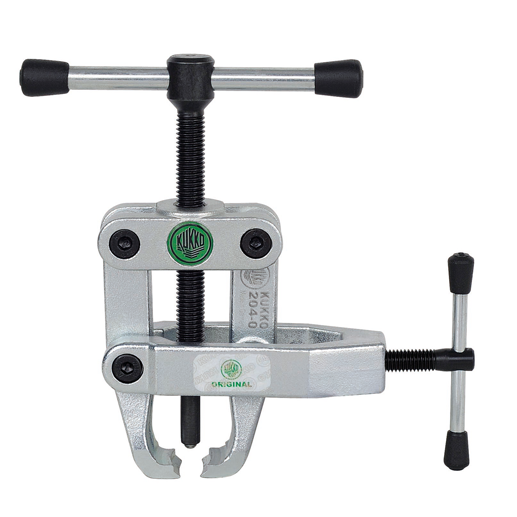
Bearing pullers are mechanical tools designed to grip and extract bearings, gears, pulleys, or similar press-fit components from shafts or housings.
They work by applying controlled, centred force to pull the part free without damage. Designs include:
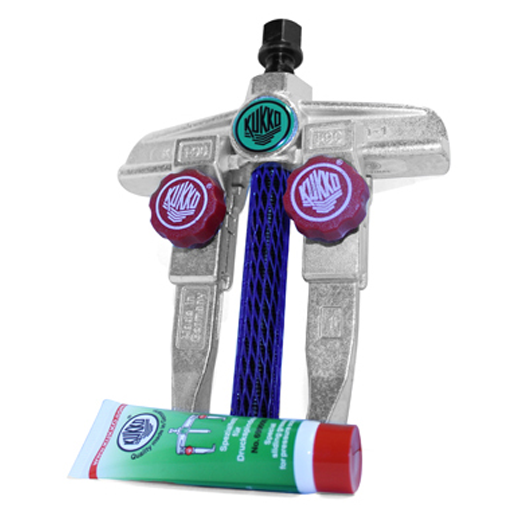
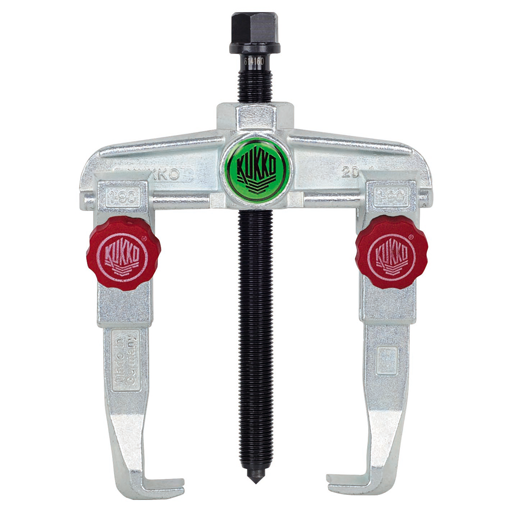
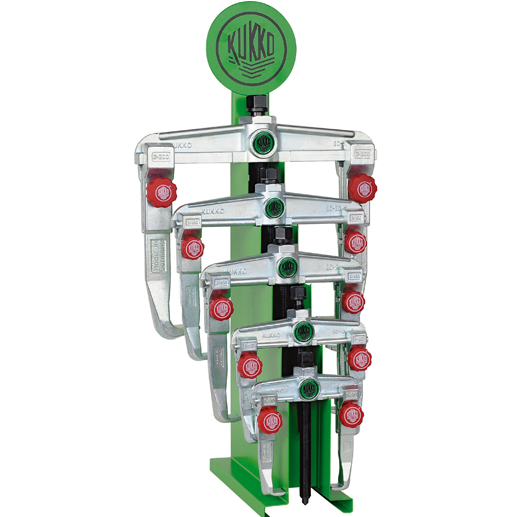
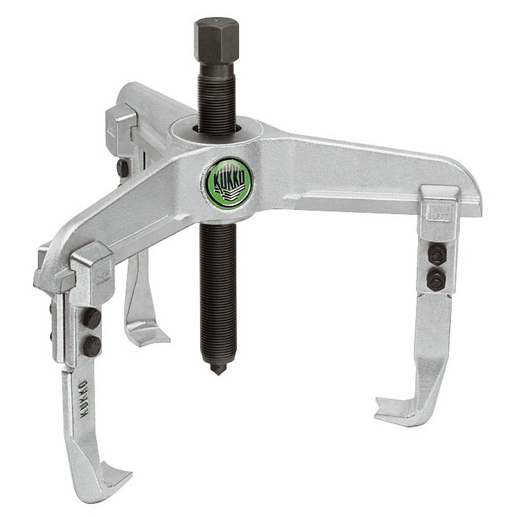
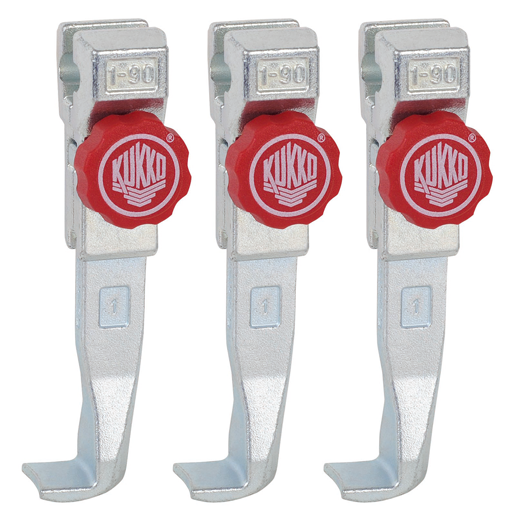
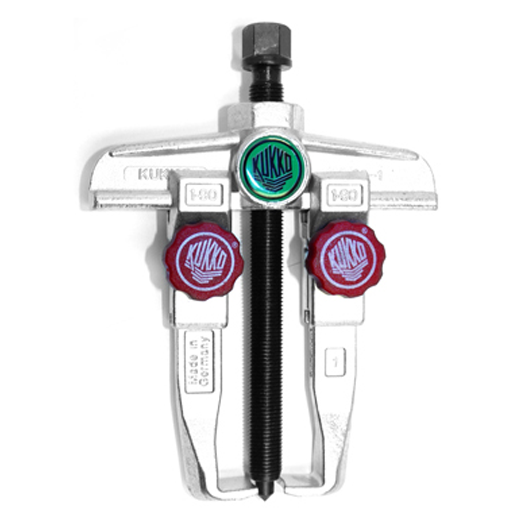
- Two- and three-jaw pullers: Ideal for external pulling from shafts
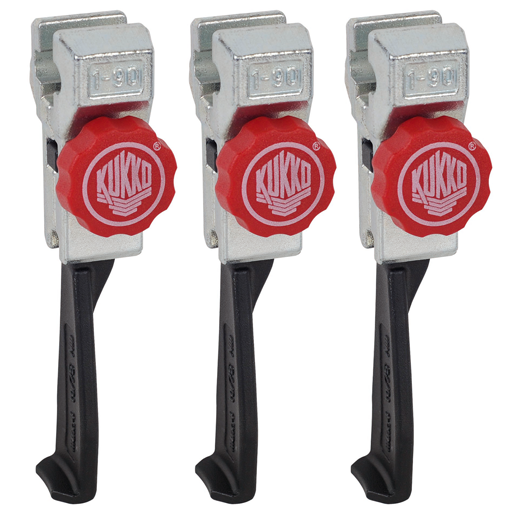
- Internal pullers: Expand inside the bearing bore for tight housings
- Slide hammers: Quick impact-style removal
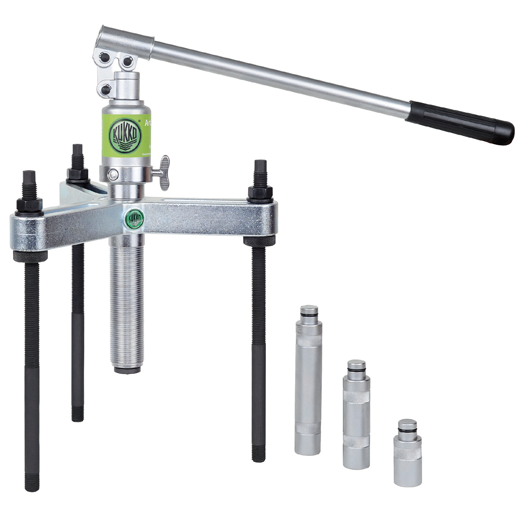
- Hydraulic pullers: For heavy-duty or large-diameter bearings
Used properly, they reduce downtime, prevent injury, and avoid damage to expensive components.
What Are They Made Of?
Industry grade pullers are built to handle serious load. Godiva supplies:
- Forged steel arms – Tough under tension, shaped for grip and reach
- Hardened spindles – Resist bending and wear
- Heat-treated jaws – Stay sharp and bite cleanly
- Hydraulic models – Include precision seals, pumps and safety valves
Whether it’s manual or powered, everything we supply is built to work in harsh shop or site conditions.
Where Are Bearing Pullers Used?
Bearing pullers are workshop staples, but they’re also go-bag essentials for mobile repair teams. Common use cases include:
- Maintenance workshops: Removing worn bearings from motors, pumps, and gearboxes.
- Plant and factory floors: On-site servicing where quick turnaround matters.
- Agricultural equipment: Pulling seized bearings from axles or shafts.
- Construction and plant: Extracting bearings from gear-driven machinery.
- Transport and HGV: Disassembling wheel hubs and driveline components.
- Marine engineering: Compact kits used in confined engine bays.
- Mining and heavy industry: Hydraulic pullers for large bearings under load.
- Rail and rolling stock: Scheduled bearing changes in bogies or traction motors.
Anywhere bearings wear out, a puller keeps things moving.
What Do Bearing Pullers Help Prevent?
Using the right puller avoids:
- Shaft scoring or deformation
- Housing cracks or distortion
- Injury from slipping tools or flying parts
- Downtime from damaged components
- Costly replacements from improvised removal methods
They make hard jobs cleaner, quicker, and safer.
Installation, Use and Maintenance Tips
A good bearing puller is an investment. Treat it right:
- Select the right size and type for each job
- Always centre the force on the shaft or bearing axis
- Lubricate threads and contact surfaces before use
- Don’t force it — if it’s stuck, step up to hydraulic
- Inspect jaws and arms after use for wear or cracks
Store clean, dry and assembled where possible. Replace worn jaws or spindles before failure.
Conclusion: Pullers That Do the Job Right
There’s no glory in bearing removal, but there’s a right way to do it. Godiva supplies bearing pullers built for the trade — rugged, reliable, and ready for your next breakdown call.