Locking Collars – Built for the Trade
Locking collars are small, simple, and essential. Used to locate bearings, fix shaft positions, or prevent unwanted movement, they hold everything in place when it matters.
Whether you’re dealing with a set screw collar or an eccentric cam type, the goal is the same: positive, reliable shaft retention without damage or slippage.
Godiva Bearings stocks a full range of locking collars to suit standard bearing sizes and shaft diameters. All trade-only. All in stock.
What Are Locking Collars?
Locking collars are mechanical devices that secure bearings or components in a fixed position along a shaft. They apply clamping force using:
- Grub/set screws
- Eccentric cams
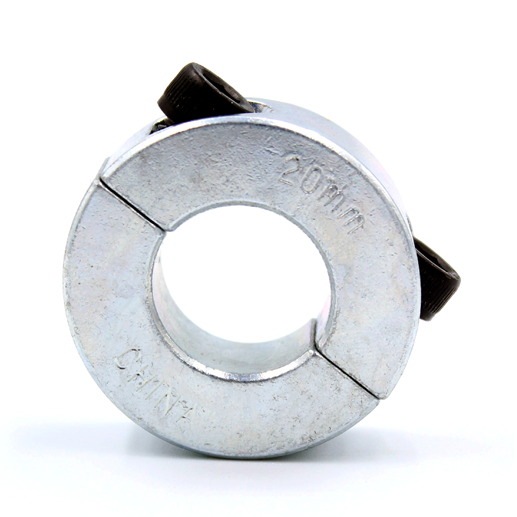
- Split clamping rings
They’re often used in combination with:
- Ball bearing units
- Insert bearings
- Plain shafts or precision linear rail
They prevent axial movement and help ensure alignment.
What Are They Made Of?
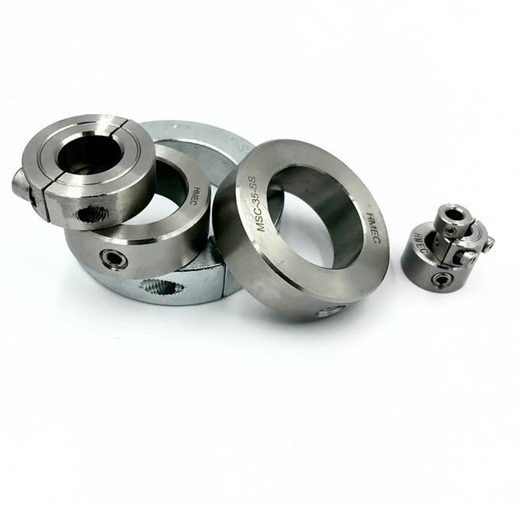
Godiva supplies various collars made from:
- Carbon steel – For general-purpose use
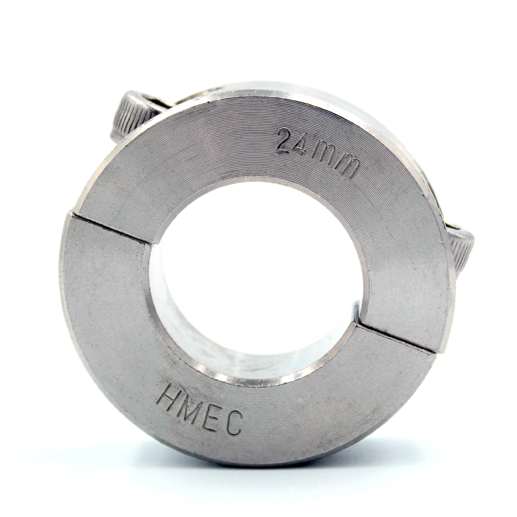
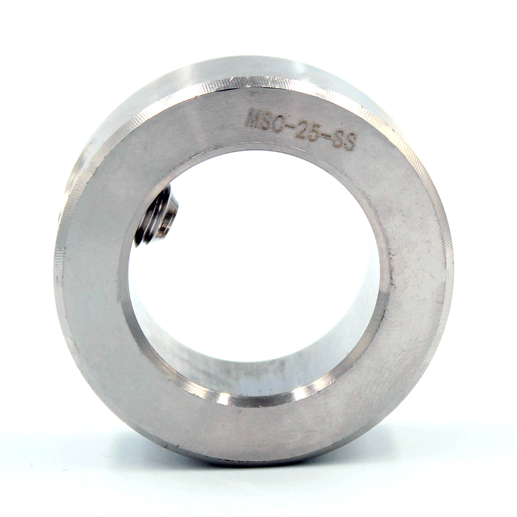
- Stainless steel – For corrosion resistance in food, washdown or clean environments
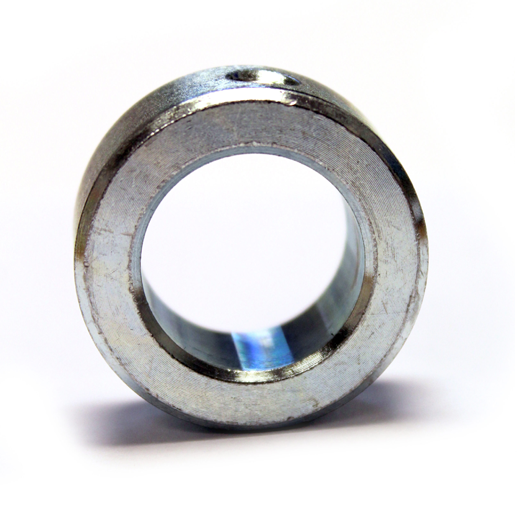
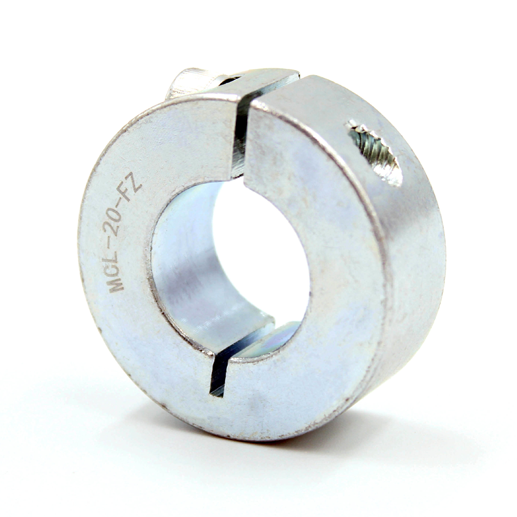
- Zinc-plated steel – For basic corrosion protection
Options include:
- Standard set screw collars
- Eccentric locking collars
- Double-split (clamp-style) collars
Where Are Locking Collars Used?
Locking collars show up across all kinds of rotating and linear motion systems. Trade-critical uses include:
- Conveyor rollers: Holding position of bearings and pulley hubs
- Agricultural machinery: Securing bearing units on drive shafts
- Packaging lines: Retaining guides, bushings and motion stops
- Food processing: Stainless collars in cleanable setups
- Warehouse automation: Fixing linear bearings on guided rails
- Textile and printing equipment: Managing travel limits and end stops
- Lift systems and material handlers: Locking components in driven assemblies
Anywhere you need to fix position on a shaft, a locking collar does the job.
What Do Locking Collars Help Prevent?
Used correctly, they help avoid:
- Bearing creep along shafts
- Misalignment in rotating assemblies
- Loss of timing or position in moving parts
- Shaft scoring from makeshift retention methods
- Unplanned maintenance due to part shift or looseness
They hold position without the faff.
Installation, Use and Maintenance Tips
For reliable shaft fixing:
- Clean shaft before fitting – oil and debris affect grip
- Align set screw with shaft keyway (if applicable)
- Torque to manufacturer spec
- Use threadlocker if subjected to vibration
- Inspect periodically for signs of movement or marking
Eccentric collars must be turned in the correct direction during fitment.
Conclusion: Small Part, Big Difference
Locking collars are simple, but they’re essential. A tiny slip in position can cost hours of downtime or misalignment.
Godiva Bearings stocks the collars that keep things fixed — in all standard sizes, materials, and types. Trade-only, backed by 24/7 support.